
Creatine: Is it Wonder Powder?
If you follow any fitness influencer on your social media platform, the word creatine would be something you’re familiar with by now. It seems like everyone is talking about it, and there are so many promises about the benefits of strength and performance that it almost sounds too good to be true. Is it though?
There are a total of six types of creatines. The most studied and proven to benefit us is the Creatine Monohydrate. The article is based upon this and is the only creatine supplement type you’d need to get.
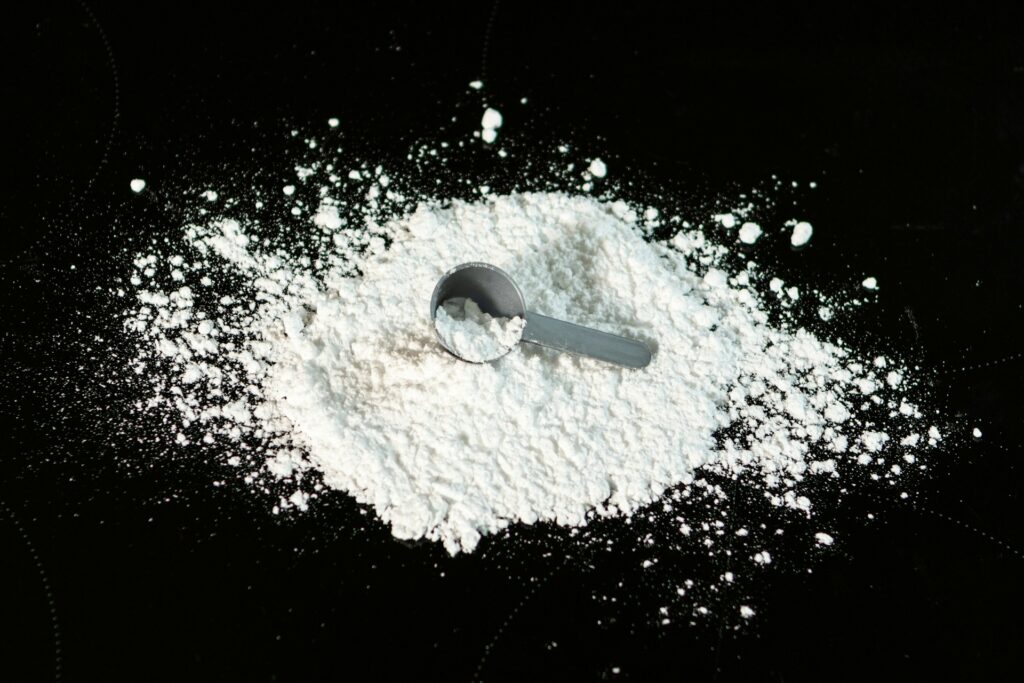
What is Creatine?
Found primarily in muscle cells, creatine is a naturally occurring compound synthesised from three amino acids: arginine, glycine, and methionine. Around 95% of the body’s creatine is stored in muscles, where it plays a crucial role in producing adenosine triphosphate (ATP), the primary energy carrier in cells. We can also obtain creatine through foods such as red meat and seafood.
What are the Benefits of Creatine Monohydrate?

- Increases Muscle Mass: Research has shown that creatine improves muscle hypertrophy by increasing the water content in muscle cells, which then leads to increased muscle synthesis.
- Enhances Athletic Performance: Creatine is widely used among athletes to improve strength and power during high-intensity exercise performance. Creatine allows athletes to train harder and longer by increasing the availability of ATP.
- Improves Recovery: Consuming creatine reduces muscle cell damage and inflammation after an intense exercise, leading to quicker recovery and reduced muscle soreness.
- Supports Cognitive Functions: Creatine is suggested to enhance cognitive functions and reduce mental fatigue, particularly under stressful conditions.
- Chronic Disease Prevention: Studies show growing evidence that creatine supplementation reduces the chances of neurological diseases such as Parkinson’s and Amyotrophic Lateral Sclerosis (ALS).

Any potential side effects of consuming creatine?
Although creatine is generally considered safe for most people, some individuals may experience side effects, including,
Weight Gain: Due to increased water retention in muscles, users may notice a slight increase in body weight.
Digestive Issues: Some people report stomach cramps, diarrhoea, or bloating when taking creatine, particularly in high doses.
Kidney Concerns: Although studies have shown that creatine has no adverse effect on kidney functions in healthy individuals, those with pre-existing kidney issues should consult a doctor before getting on creatine supplementation.
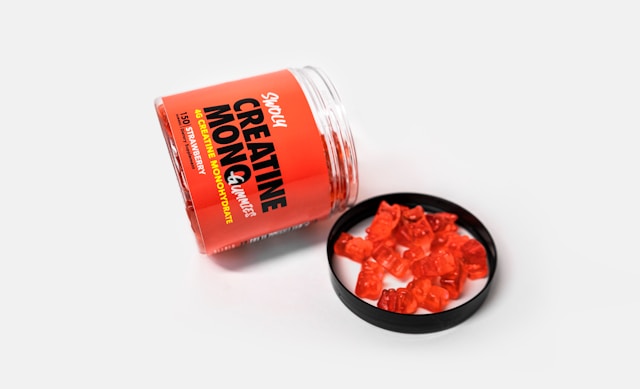
How to Consume Creatine Effectively
If you’re getting on the creatine wagon, there are two ways of loading them.
To quickly saturate muscles with creatine, you can load 20 grammes per day (divided into 5g doses throughout the day) for a week. After the loading phase, consume about 3-5 grammes per day to maintain the elevated creatine levels in muscles.
If you are not a fan of going through a loading phase, you can stick to consuming 5 grammes of creatine per day. The end result of both ways is the same, although the former tends to give you a quicker result than the latter.
When’s the Best Time to Consume Protein?
While the exact timing of creatine supplementation is not critical, there are minor benefits in consuming creatine with carbohydrate-rich food, allowing better absorption. Additionally, consuming creatine after a workout also offers a minor edge compared to other timing; however, since the difference is quite minor, it should be just taken with a pinch.
Consuming caffeine within a short period of consuming creatine has shown a reduced efficiency in creatine absorption. So if you love your coffee, do time it at about 6 hours apart from your creatine intake if you wish to maximise the absorption. However, this is also a very minor change that you can do away with.
It’s essential to stay well-hydrated while taking creatine, as it increases water retention in muscles, which can affect overall hydration status.
Should I Consume Creatine?
The short answer is yes. Since plenty of scientific studies show the positives of consuming creatine outweigh the negatives by a mile, it is safe to say that you should add creatine to your diet. Not only are you able to enhance your performance in the gym, but you’d also enjoy cognitive and health benefits. By leveraging the benefits of creatine, individuals can enhance their physical performance and support overall well-being. However, do take into account that not everyone benefits from consuming creatine. 1/4 who consume creatine may not experience the strength and performance benefits it gives. To add on, the few possible side effects that are mentioned are bloating and muscle cramps. If you are not a fan of supplements, you could bump up your seafood or red meat to enjoy the same benefits.
References
- Kreider, R. B., et al. (2017). International Society of Sports Nutrition position stand: safety and efficacy of creatine supplementation in exercise, sport, and medicine. Journal of the International Society of Sports Nutrition, 14(1), 18.
- Gualano, B., et al. (2012). Creatine supplementation: evaluating the considerable safety profile. Journal of the International Society of Sports Nutrition, 9(1), 33.
- Rae, C., et al. (2003). Oral creatine monohydrate supplementation improves brain performance: a double–blind, placebo–controlled, cross–over trial. Psychopharmacology, 167(4), 566-569.

